













Logo

Roospin Casino Games In Australia

A practical look at how Australian players can open an account, explore the lobby, manage spending, and play with more control.

Slot Fortune Gems 2

Table of Contents

  • The Dog House Megaways Slot
  • Lucky Joker 10 Extra Gifts Slot
  • Sword of Ares Slot
  • Floating Dragon Hold & Spin Slot
  • Leprechaun Riches Slot
  • Fruit Coctail Slot
  • The Dog House Megaways Slot
  • Sword of Ares Slot
  • Fruit Million Slot
  • The Dog House Megaways Slot
  • Fruit Box Slot
  • Big Fisherman Slot
  • Seven Books Unlimited Slot
  • Roospin Fortune Slot
  • Sword of Ares Slot
  • Floating Dragon Hold & Spin Slot
  • 9 Mad Hats Slot
  • Floating Dragon Hold & Spin Slot
  • Big Bass Splash Slot
game 1

First Impressions That Actually Matter

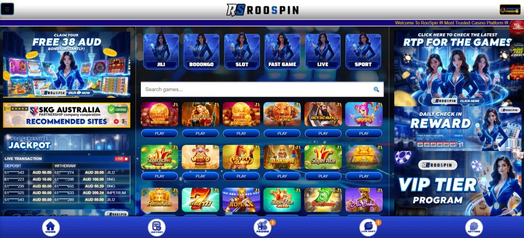
Most players do not judge a platform by slogans. They judge it by what happens in the first minute: how fast the menu makes sense, whether the search bar is visible, and how quickly they can move from the front page to a playable category. For readers in Australia, that matters because a messy layout creates friction long before any money is added.

Imagine you open the platform after dinner with only twenty minutes free. Usually players want a straight path: sign in, check balance, open the lobby, and decide what type of session they want. If the layout supports that flow, the whole experience feels calmer and easier to control.

Finding Roospin Casino Games That Fit

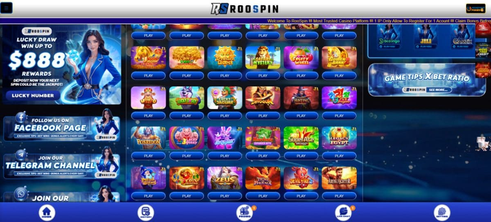
A useful lobby should help people sort by category, pace, and mood instead of pushing them into endless scrolling. Some players want short rounds. Others want table play or a live room that feels more social. The practical question is simple - can you narrow the choice in a few taps and understand what you are opening before the round starts?

Picture someone with a small evening budget who wants to test two or three options and stop. That player needs filters, readable labels, and game pages that show the basic rules without hiding them. When those details are easy to reach, players spend less time wandering and more time deciding with intention.
game 2

Account Setup And A Clean Start

Opening an account should feel direct rather than theatrical. In most cases, the setup path includes basic personal details, login credentials, and some level of confirmation before all payment features become fully available. The exact order may differ, but the logic is familiar: create access, confirm the account, then complete the parts that support later withdrawals and account changes.

If you are setting everything up on a phone while commuting or standing in line, long forms become annoying fast. Usually players prefer a shorter first step and a clear account area where missing profile tasks are easy to spot later. That is a more useful design than pushing every possible question into the first screen.

The smartest habit is to finish the essentials before your first real session. Check how your name appears, confirm the contact details you actually use, and review the profile menu while you still have patience. Imagine reaching the withdrawal stage and noticing a small mismatch in your saved information. That kind of delay is often preventable if the account is cleaned up early.

Steps That Make First Access Smoother

Use an email address you check regularly, choose a fresh password, and save your login details safely. It sounds basic, but first-day problems often begin there. Imagine a player rushing through setup, forgetting which inbox was used, then failing sign-in attempts before the session even starts. A careful two-minute setup usually prevents a much longer support conversation later.

What To Review Before Your First Deposit

Before adding funds, open the cashier, check which methods appear, and look for profile prompts that are still incomplete. Many people focus only on the deposit button, but the better approach is to review the full path in advance - add funds, play, request a payout, and check status. If you usually play late at night, this quick review matters even more because tired players are more likely to miss details.

Why Personal Limits Help From Day One

A limit is not only a rescue tool. It is a planning tool. Imagine a player who intends to spend a small fixed amount over the weekend but makes several tiny top-ups instead. A daily or weekly cap turns that vague plan into a real boundary. For many users, that is the easiest way to keep entertainment from drifting into habit-driven spending.

game 3

Payments, Cashier Logic, And What To Check

The cashier often tells you more than the promotional areas do. A solid one should show deposits, withdrawals, transaction history, and account prompts in a way that feels connected rather than scattered across different menus. Players usually want to know not just which options exist, but how clearly the platform explains the route from adding funds to receiving them back.

Imagine you finish a short session and decide to withdraw only part of the balance. Most users expect a simple path: choose the method, enter the amount, confirm, then return to the account page and see a visible status. When those steps are hidden behind vague labels, confidence drops quickly.

Processing times can depend on the chosen method, internal checks, timing during the week, and whether your profile is fully completed. That is why it helps to treat the cashier as a workflow instead of a promise. The more clearly it shows request history and current status, the easier it becomes to manage expectations.

A Quick Table For Payment Review

Cashier Area

What To Check

Why It Matters

Deposit menu

Available methods and amount fields

Helps you choose a suitable option before funding

Withdrawal page

Request form and visible status section

Makes the next step easier to track

History tab

Dates, amounts, and current state

Reduces confusion after several sessions

Limits tools

Daily, weekly, or monthly controls

Supports better budgeting

Account notices

Missing profile or review prompts

Can help prevent payout delays

Picture a player checking the cashier during a work break. That person is not going to read every help page. A clear table of actions, labels, and status messages does most of the work. In practice, that clarity matters more than a long list of options that are hard to understand.

Mobile Play And Device Comfort In 2026

For many players, mobile is now the default way to sign in, browse, and handle quick sessions. That means the smaller screen should still make the important tools easy to reach, especially the search bar, cashier, and profile controls. A mobile version does not need to copy desktop exactly, but it should preserve the logic of the journey.

Imagine opening the platform on a train with one hand free. Usually players need large buttons, readable categories, and a clear path back to the lobby from any game window. If basic actions require too many taps, even a short session starts to feel tiring.

Common Mobile Friction Points

The main problem is often navigation rather than speed. Search may be hidden, categories may collapse awkwardly, or the profile icon may sit far from the cashier. Picture a user trying to set a spending cap after a long day. That action should be close to the account menu, not buried under banners or decorative sections. Good mobile design reduces backtracking and helps players act with less frustration.

Desktop Or Phone For Your Routine

Desktop usually works better for slower browsing, comparing many options, and longer evening sessions. Phone tends to suit quick check-ins, short rounds, and account management during the day. Imagine a player who uses desktop on weekends but mobile for weekday balance checks. That mixed routine often makes more sense than forcing one device into every situation, because each screen supports a different type of decision.

Support, Timeouts, And Staying In Control

Support becomes important the moment something feels unclear - a sign-in issue, a pending payout, a profile prompt, or a limit you want to change. A practical platform should make help easy to find from inside the account area, not send users through several unrelated pages. Clear explanations matter just as much as fast replies.

Imagine noticing that your sessions have become longer over the last two weeks. That is exactly when control tools matter. Players often benefit from deposit limits, short cooldowns, or a temporary break before the habit becomes expensive or stressful. These features work best when they are visible and easy to activate.

The same principle applies to support. If a platform can explain common account and payment issues in plain language, users spend less time guessing and less time chasing answers. People do not usually care about the help section on a normal day. Then one problem appears, and it suddenly becomes the most valuable part of the whole experience.

When A Timeout Makes Sense

A timeout is worth using when play starts to feel automatic, emotional, or repetitive instead of deliberate. Imagine a player returning after a frustrating session just to win it back. That is usually the wrong moment to continue. A short break creates distance between impulse and action, and for many people that pause is enough to reset the routine before it grows harder to manage.

Who May Find This Platform Convenient

This kind of platform is usually easier for players who value clarity over noise. Newer users often want a simple account path, understandable payments, and a lobby that can be filtered quickly. More experienced players tend to care about session flow, device switching, and how easily they can move from browsing to account control without relearning the layout each time.

If you are cautious, you will probably judge the platform by predictability. Can you find the same tools in the same place every visit? Can you understand what comes next after a payment request or profile prompt? Imagine a user who only wants one planned evening session each week. That player benefits more from order, visibility, and limits tools than from constant promotional pressure.

For adults of legal age in Australia, the most sensible approach is to treat any platform as a process, not a promise. Check whether the path from registration to controlled play feels understandable. If the menus are clear, the cashier is readable, and the account tools are visible, the experience is usually easier to manage over time.

FAQ

The fastest test is to ignore the marketing language and follow the real user path. Open the account area, find the lobby, search for a category, and then try to locate the cashier and limits tools without guessing. If those core sections make sense in the first minute, the platform is probably built around practical use rather than visual noise. Many players know very quickly when a site feels confusing. That first impression matters because friction at the start usually turns into bigger frustration later, especially once money and account checks are involved.

Prepare the boring details first, because they often save the most time later. Use a working email address, store your login details safely, and review your personal information before you deposit anything. It also helps to open the cashier once and see how the payment path looks from start to finish. Imagine reaching the payout stage and discovering an unfinished profile field or a detail entered incorrectly on day one. That kind of issue is common, and it is much easier to prevent than to fix in the middle of a stressful moment.

That depends on the type of session you want. Mobile often suits short play windows, fast balance checks, and simple account actions during the day. Desktop is usually better for longer browsing, comparing more titles on one screen, and reading rules without constant scrolling. Many players do best with a mixed routine. They use the phone for convenience and the computer for deeper sessions. The important point is not which device is superior in theory, but which one supports your actual habits with less friction and fewer rushed decisions.

Because different payment methods, review steps, and timing windows can affect how the request moves through the system. Players sometimes assume that deposits and payouts should feel identical, but they often follow different paths. A deposit is designed to start the session quickly. A payout may involve more checks, status changes, or waiting periods depending on the method and account state. The practical response is to watch the transaction history, confirm that profile details are complete, and use methods you understand rather than making assumptions based on speed alone.

The best moment is early, before you feel any pressure to do it. Limits are useful even when everything feels under control because they convert a rough budget into a fixed rule. Imagine making several small deposits over a weekend. Each one seems minor, but together they can exceed the amount you intended to spend. A preset cap interrupts that pattern automatically. For many users, this is less about restriction and more about removing unnecessary decisions during the session, which makes the whole routine calmer and easier to manage.

Good support is visible, direct, and written in plain language. It should help you solve ordinary problems such as login trouble, missing account prompts, or a payment request that still shows a pending status. Players often focus only on response time, but clarity is just as important. If the help section sends you in circles or uses vague wording, even a quick answer can feel useless. A practical support system reduces stress by telling you what is happening, what action is needed, and what to check next inside your account.

Take a break when play starts to feel automatic instead of chosen. That may happen when you log in out of boredom, extend sessions without planning to, or return quickly after frustration because you want to reverse the last result. These patterns often build quietly. A short timeout can interrupt them before they become more expensive or harder to manage. Many players think a break is only for serious problems, but often it is simply a good routine tool. Used early, it helps restore distance, budget control, and better judgment.